
And Embarrassed been Create
In contemporary wellness environments, spa design has moved beyond aesthetics into the realm of spatial psychology. Guests no longer seek simple relaxation; they expect environments that feel open, fluid, and immersive, while still offering moments of complete privacy. Achieving this balance has become a defining factor in successful spa environments across both hospitality and residential settings.
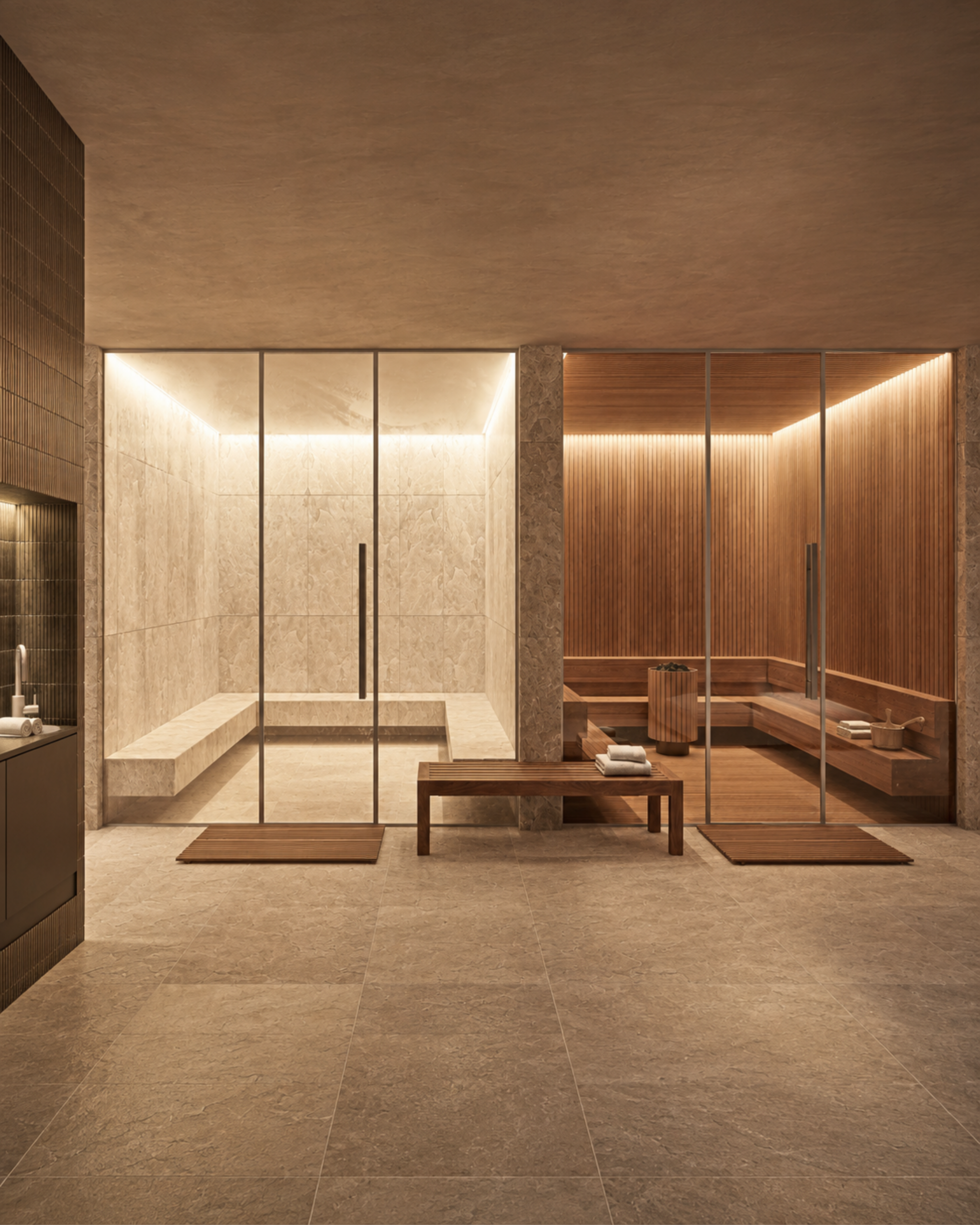
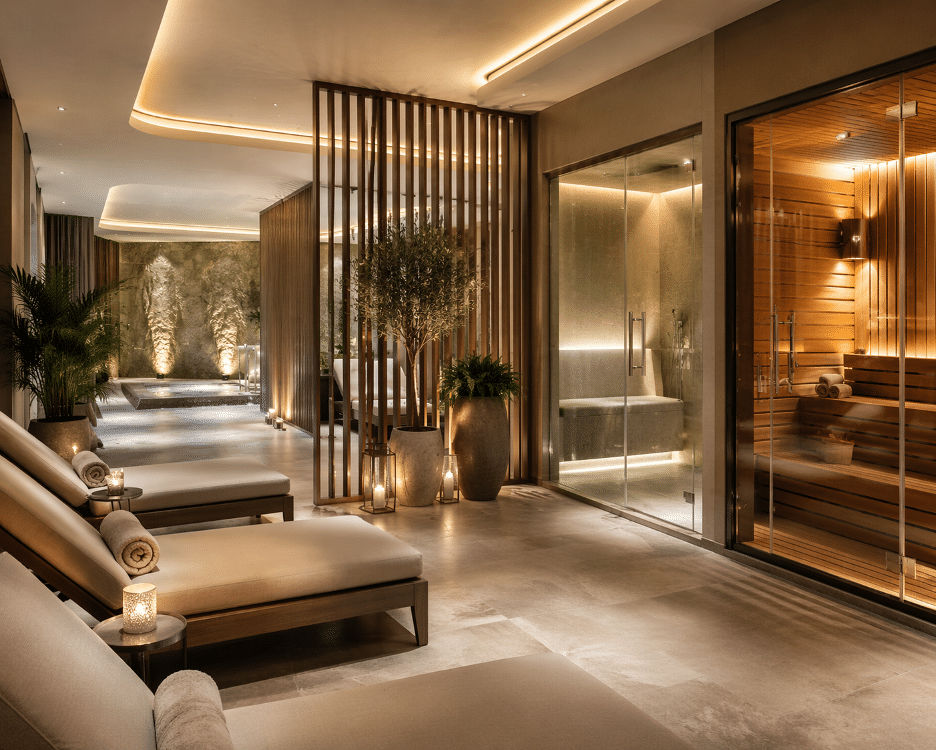
At its core, the challenge lies in creating a layout that feels expansive without exposure, and intimate without confinement. Contemporary design approaches address this through intelligent spatial planning. Public areas such as reception zones and relaxation lounges are designed with openness, natural light, and visual continuity, while more private spaces, including treatment rooms, saunas, and steam areas, are positioned deeper within the layout to ensure discretion and tranquillity. This zoning strategy allows for a seamless transition between social and personal experiences.
From a functional perspective, the integration of thermal and wellness elements requires more than careful placement; it demands continuity. Circulation pathways are designed to feel intuitive, allowing users to move effortlessly between spaces without disruption. This sense of fluid movement enhances the overall experience, ensuring that each transition feels natural rather than imposed.
Design techniques play a critical role in maintaining this balance. Instead of rigid separations, layered solutions such as textured partitions, frosted glass, vertical slats, and biophilic elements are used to create subtle visual boundaries. These features preserve openness while reinforcing privacy. Acoustic control further enhances this by preventing sound transfer between zones, maintaining a calm and exclusive atmosphere.
Beyond design, the experiential impact is significant. A well-balanced layout reduces sensory overload, supports relaxation, and creates a more personalised environment. The result is a space that feels both connected and deeply restorative.
From a commercial standpoint, this approach adds measurable value. Spaces that are thoughtfully planned and carefully executed stand out, offering a more refined user experience that encourages longer engagement and stronger emotional connection.
At WSSC, every project is approached with a focus on spatial harmony, technical precision, and user experience. The goal is to create environments that are not only visually compelling but also function seamlessly over time.
Ultimately, the balance between privacy and openness is what transforms a spa into a cohesive wellness journey, one where guests feel both at ease and fully immersed.