
In contemporary wellness development, budgeting a spa project is no longer a simple cost exercise. It has evolved into a strategic framework that defines guest experience, operational performance, and long term commercial value. In a market where wellness spaces are expected to deliver both emotional impact and functional precision, the way a project is budgeted directly influences its success.
A strong budgeting approach begins with prioritising the core infrastructure that supports the entire spa environment. These are the systems that remain invisible to the guest but determine how consistently the space performs. Mechanical ventilation, humidity control, water management, and drainage must be engineered with precision, particularly in steam rooms, saunas, and hydrotherapy areas. Any compromise at this stage can lead to inefficiencies that are expensive to correct later.
Once the foundation is secured, investment should shift toward the guest facing elements that define service quality. Treatment rooms require carefully selected equipment that enhances therapist efficiency and ensures comfort during extended use. Flooring in wet and high traffic zones should prioritise durability, safety, and resistance to constant exposure, while still maintaining a refined visual finish. These decisions directly influence both operational reliability and perceived value.
From an educational standpoint, effective spa budgeting is about understanding the difference between essential performance drivers and aesthetic enhancements. Core systems and treatment environments typically generate the highest return because they influence guest satisfaction and staff productivity. In contrast, decorative features and secondary finishes can be approached with more flexibility, as long as they align with the overall design intent.
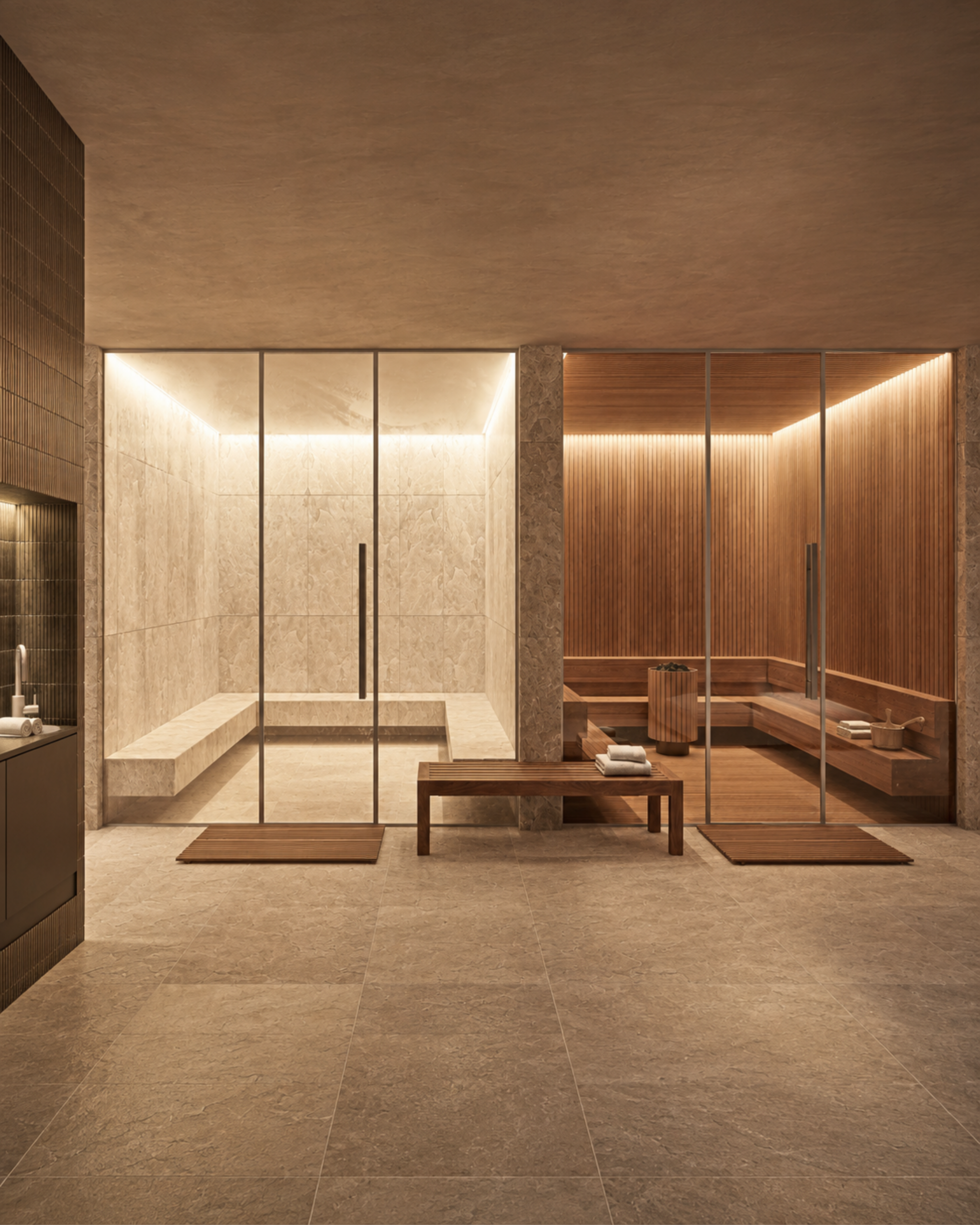
In practical application, this mindset allows developers to structure projects in phases. Core wellness areas such as treatment suites, steam rooms, and saunas are prioritised first, followed by atmospheric layers such as lighting design, relaxation lounges, and retail spaces. This phased approach reduces financial pressure while maintaining design coherence and allowing early operational testing.
From a commercial perspective, a well structured spa budget is a long term value driver. It enhances property appeal, strengthens guest retention, and supports premium pricing strategies. More importantly, it reduces lifecycle costs by ensuring that critical systems are properly specified from the outset.
At WSSC, we approach spa budgeting as an integrated part of the design and delivery process, ensuring every investment decision supports performance, experience, and sustainable commercial success.